Creative Oklahomans lead the way in the uncomfortable, unavoidable conversation about race

This article was originaly published in the Tulsa World Editorial section in 2020 when I served as a member of their Editorial Advisory Board and while I was working at OKPOP. - Blake
In March, as we planned for St. Patrick’s Day, March Madness and spring break vacations, everything was canceled. No public gatherings. No sports. No vacations. Our kids never returned to their school buildings. Churches stopped holding services. Basketball practice was called off.
Little did we know that it was only the beginning of a world-changing season in which we’d wrestle with everything from science to politics to social responsibility to race. We were about to take on all of these issues, mostly from the isolation of our homes and with more free time than we could’ve thought possible.
If you’re like my family, you filled some of that time by playing more games or going on some drives or bike rides. You probably also turned to the TV or picked up some books or spent some time with the record player or the Playstation.
I work at OKPOP, Oklahoma’s Museum of Popular Culture. I’m the creative director. In its broadest sense, that means I get to be a part of the team that tells the stories of Oklahoma’s creatives. We’ll do this through world-class exhibits and interactive experiences, of course, but also through our podcast, documentary films, programming and education initiatives.
OKPOP is a part of the Oklahoma Historical Society, whose mission is to collect, preserve and share Oklahoma history. By showcasing the legacy of Oklahoma artists and their influence on popular culture, OKPOP aims to inspire new generations of artists, musicians and storytellers to impact the world through the powerful force of creative expression.
That’s an idea I can get behind. I believe creative people change the world. They show us new ways of thinking and better ways of doing things. Their movies and shows and books and songs challenge us. They present our history in ways we haven’t considered. They reveal the humanity of people not like us, helping us to view our world with more compassion and empathy. And in 2020, maybe more than ever in my life, we could use a little bit of that.
It’s strange how things have collided in 2020. While we were avoiding COVID-19 by distancing and isolating and watching TV, this other thing happened. This conversation about race that so many white people have been tip-toeing around for years became unavoidable.
We only know what we’ve been taught and often that is not nearly enough. To achieve our potential, we’ll have to learn about our history, even the horrific parts. We’ll have to understand where it has been adulterated to protect the reputations of those in power, and we’ll have to open our minds to the possibility that our worldview is limited. We’ll have to contemplate other perspectives and empathize with people very different from us. When we do these things, we’ll grow, individually and as a community. There’s no choice but to grow.
In taking on issues of race, we have shown our best and worst selves. We’ve been hurt and been hurtful. We’re trying to figure out how to own the things we need to own, to make amends, to be a part of making things better. It’s not easy, but confronting oppressive systems never is. Evaluating our biases is excruciating. Listening doesn’t come naturally, especially when we feel like we need to defend ourselves. It’s been a messy but much-needed process, a process in which our artists play an important role. They have the ability to help us sort through even the most difficult and emotional issues. A 90-minute movie or a single TV episode or a well-written song can show us life through the eyes of another. Those things can show us truths to which we would’ve otherwise been blind.
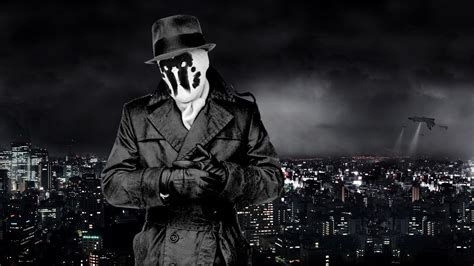
I encourage you to explore these works created by our Oklahoma artists. Watch “The Watchmen” on HBO, set in Tulsa and starring Tulsan Tim Blake Nelson, for a glimpse at what Tulsa’s race massacre looked like. Check out “Luke Cage No. 32” on Netflix, a series starring Tulsan Alfre Woodard based on a comic book character who was created by Tulsan Archie Goodwin, or check out Luke Cage comics to see how Marvel Comics has dealt with race issues over the years. Read Oklahoman Ralph Ellison’s “Invisible Man” or Randy Krehbiel’s book “1921: Reporting a Massacre.” Check out Steph Simon’s album “Born On Black Wall Street” or Oklahoma City’s Jabee, whose new album is “The World is So Fragile and Cruel I’m Glad I Got You.” These are but a few examples of the many works by talented Oklahoma creatives speaking directly into the conversation around race. For more, follow OKPOP on social media. We’ll continue to share content in the months leading up to the 1921 Tulsa Race Massacre centennial.
Our creatives are answering the call. They have something to say. They have lies to expose and perspectives we might not have considered yet. They are telling previously untold stories that challenge us to broaden our view. They are showing us how to see the best in each other. They are changing the world through the powerful force of creative expression. Let’s join them.
Blake Ewing is creative director of OKPOP, the Oklahoma Museum of Popular Culture, and a member of the Tulsa World Community Advisory Board. Opinion pieces by advisory board members appear in this space most weeks.
Comments